
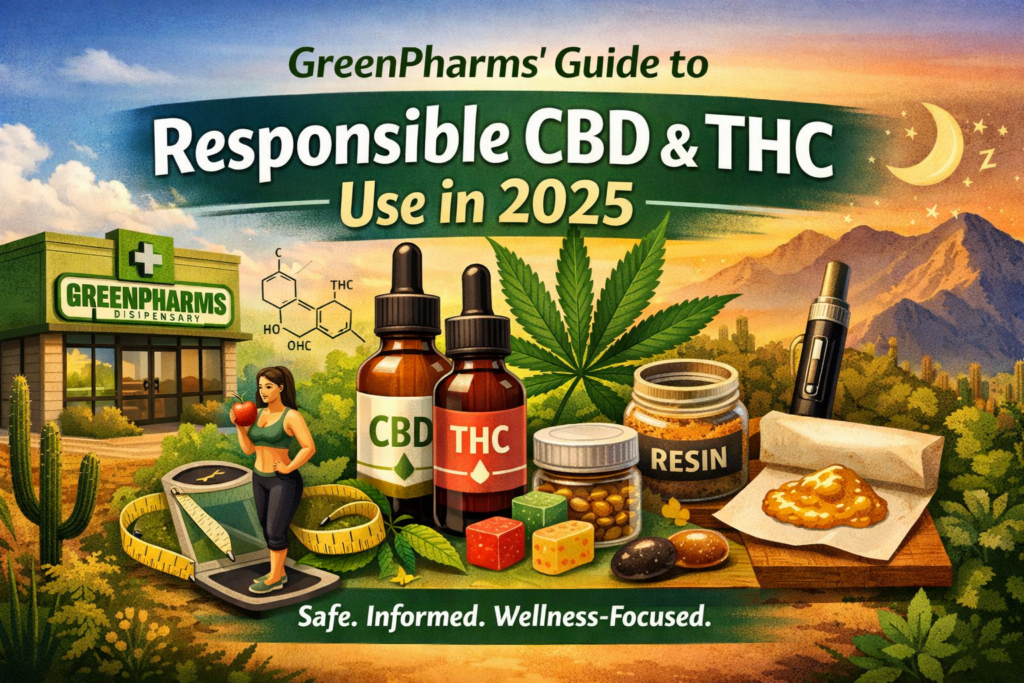
As consumer preferences shift toward microdosing, functional wellness, and intentional cannabis use, understanding how to responsibly incorporate CBD and THC into your daily routine has never been more important. Whether you’re visiting a medical marijuana dispensary for the first time or exploring specialized cannabinoids like THCV for weight loss support, this guide offers practical insights for making informed decisions.
Disclaimer: The information in this article is for educational purposes only and does not constitute medical advice. Cannabis and CBD products are not intended to diagnose, treat, cure, or prevent any disease. Always consult with a qualified healthcare professional before using cannabis products, especially if you have existing health conditions or take medications.
Understanding the Evolving Cannabis Landscape in 2026
The cannabis industry has transformed significantly, moving beyond recreational enjoyment to embrace wellness-focused applications. Today’s consumers seek specific outcomes—whether managing stress, supporting sleep quality, or exploring emerging cannabinoids like THCV for metabolic support. At GreenPharms, we’ve witnessed this evolution firsthand as a family-owned Arizona dispensary committed to education and quality.
Modern cannabis use prioritizes precision and intentionality. Rather than simply seeking the strongest product, informed consumers now consider factors like cannabinoid ratios, terpene profiles, and consumption methods to achieve desired effects while minimizing unwanted side effects.
The Science Behind Responsible Cannabinoid Use
CBD vs. THC: Understanding the Difference
Cannabidiol (CBD) and tetrahydrocannabinol (THC) are the two most well-known cannabinoids, yet they produce distinctly different effects. CBD is non-intoxicating and commonly used for its potential calming properties, while THC produces the characteristic psychoactive effects associated with cannabis. Understanding this fundamental difference helps consumers select appropriate products for their wellness goals.
Research published by the National Institutes of Health indicates that CBD and THC interact with the body’s endocannabinoid system through different mechanisms. This interaction influences how each cannabinoid may affect mood, comfort, and overall homeostasis.
THCV Weight Loss: Emerging Research and Responsible Use
Tetrahydrocannabivarin (THCV) has garnered attention for its unique properties that differ from traditional THC. While research remains in early stages, some studies suggest THCV may influence appetite and metabolism differently than other cannabinoids. According to research from Project CBD, THCV appears to act as an antagonist at certain cannabinoid receptors, potentially affecting hunger signals.
It’s important to approach THCV weight loss claims with realistic expectations. No cannabinoid should replace healthy lifestyle practices, and individual responses vary considerably. If you’re interested in exploring THCV products, consider starting with low doses and consulting a healthcare provider, particularly if you have metabolic conditions.
Beyond CBD and THC: The Minor Cannabinoid Revolution
The cannabis plant produces over 100 cannabinoids, each with distinct characteristics:
- CBG (Cannabigerol): Often called the “mother cannabinoid,” CBG is the precursor to other cannabinoids and may offer unique wellness properties
- CBN (Cannabinol): Commonly associated with relaxation and evening use, CBN forms as THC ages
- CBC (Cannabichromene): A non-intoxicating cannabinoid that may work synergistically with other compounds
- Delta-8 THC: A hemp-derived cannabinoid with milder psychoactive effects than traditional Delta-9 THC
At GreenPharms, we offer products featuring these specialized cannabinoids, allowing you to explore beyond traditional CBD and THC formulations. Understanding your options empowers more personalized cannabis experiences.
Resin vs Rosin: Quality Matters in Cannabis Concentrates
When exploring concentrates at your medical marijuana dispensary, understanding the difference between resin and rosin helps you make informed purchasing decisions based on your preferences and values.
What is Cannabis Resin?
Cannabis resin refers to the sticky trichomes produced naturally by the plant, containing cannabinoids and terpenes. In concentrate terminology, “live resin” specifically describes extracts made from fresh-frozen cannabis plants using solvents like butane or propane. This process preserves volatile terpenes that might otherwise degrade during drying and curing.
Live resin typically offers robust flavor profiles and potent effects. The solvent-based extraction allows producers to capture a wide spectrum of compounds, though rigorous testing ensures all residual solvents are purged to safe levels before sale.
Understanding Rosin Production
Rosin represents solventless extraction, using only heat and pressure to squeeze cannabinoid-rich oils from cannabis flower, hash, or kief. This mechanical process appeals to consumers preferring products made without chemical solvents. According to the Cannabis Science and Technology journal, rosin extraction preserves the plant’s natural terpene profile while avoiding potential solvent contamination concerns.
Live rosin—made from fresh-frozen plants—combines the terpene preservation benefits of live resin with the solventless purity of rosin, often commanding premium prices for its quality and production complexity.
Resin vs Rosin: Making Your Choice
Consider these factors when choosing between resin and rosin products:
- Purity preferences: Rosin appeals to those seeking solventless options
- Flavor profiles: Both offer excellent terpene preservation, though some consumers detect subtle differences
- Price considerations: Rosin typically costs more due to lower yields and labor-intensive production
- Potency needs: Both can deliver high cannabinoid concentrations; your choice depends on other priorities
All concentrates at GreenPharms undergo rigorous third-party testing for potency, purity, and safety, ensuring quality regardless of extraction method.
Practical Guidance for Microdosing and Functional Use
What is Microdosing Cannabis?
Microdosing involves consuming sub-perceptual or minimally perceptual doses of cannabinoids to achieve subtle benefits without significant intoxication. This approach has gained popularity among professionals, parents, and wellness enthusiasts seeking cannabis’s potential benefits while maintaining full functionality.
A microdose typically ranges from 2.5mg to 5mg of THC, though individual tolerance varies. CBD microdosing may involve higher doses (10mg-25mg) since it lacks intoxicating effects. The key is finding your minimum effective dose—the smallest amount that produces desired results.
Starting Your Microdosing Journey
If you’re new to microdosing, follow these guidelines:
- Start low: Begin with 2.5mg THC or 10mg CBD and observe effects for at least two hours
- Keep a journal: Document doses, timing, and effects to identify patterns
- Choose consistent products: Use the same product type initially to establish your baseline
- Consider your schedule: Start experimentation during downtime rather than before important obligations
- Be patient: Finding your ideal dose may take several attempts over days or weeks
Best Product Formats for Functional Wellness
Different consumption methods suit different lifestyles and goals. Here’s how various formats compare:
Tinctures and Oils
- Onset time: 15-45 minutes when taken sublingually
- Duration: 4-6 hours
- Best for: Precise dosing, morning routines, discrete daytime use
- Considerations: Allow drops to absorb under the tongue for faster onset
Gummies and Edibles
- Onset time: 45-90 minutes, depending on metabolism and recent food intake
- Duration: 6-8 hours
- Best for: Extended relief, evening use, consistent daily routines
- Considerations: Effects are stronger and longer-lasting than inhalation; start with lower doses
Vaporizers
- Onset time: 2-10 minutes
- Duration: 2-4 hours
- Best for: Fast-acting relief, precise dose titration, managing acute situations
- Considerations: Easier to dose incrementally throughout the day
Topicals
- Onset time: 15-30 minutes
- Duration: 2-4 hours
- Best for: Localized application, skin wellness, non-intoxicating use
- Considerations: Do not produce psychoactive effects, even with THC content
At GreenPharms, our diverse product selection ensures you’ll find formats matching your preferences and lifestyle needs.
Combining Products: The Entourage Effect
Many experienced cannabis consumers combine products to leverage the “entourage effect”—a theory suggesting cannabinoids and terpenes work synergistically to produce enhanced effects. Understanding how to combine products safely maximizes benefits while minimizing risks.
CBD and THC Ratios
Products with specific CBD:THC ratios allow customized experiences:
- High CBD, Low THC (20:1 or higher): Minimal intoxication with potential therapeutic benefits
- Balanced (1:1): Moderate effects; CBD may modulate THC’s intensity
- THC Dominant (5:1 or higher THC:CBD): Pronounced psychoactive effects
Some consumers add CBD tinctures to THC products, creating custom ratios based on their tolerance and goals. This flexibility empowers personalized approaches to cannabis wellness.
Terpenes: Nature’s Flavor and Function
Terpenes are aromatic compounds giving cannabis strains their distinctive scents and potentially influencing effects. Research published by Frontiers in Neurology suggests terpenes may modulate cannabinoid activity. Common terpenes include:
- Myrcene: Earthy aroma; associated with relaxation
- Limonene: Citrus scent; may support mood
- Pinene: Pine fragrance; potentially supports focus
- Linalool: Floral notes; commonly linked to calming effects
- Caryophyllene: Peppery spice; unique in interacting with cannabinoid receptors
Paying attention to terpene profiles helps you identify strains and products that consistently meet your needs. GreenPharms provides detailed terpene information for our products, supporting informed selection.
Addressing Specific Wellness Goals
Using Cannabis for Stress Management
Stress represents one of the most common reasons people explore cannabis. For stress management, consider these approaches:
Start with CBD-dominant products during daytime to maintain functionality. CBD oils or low-dose gummies (10mg-25mg CBD) taken in the morning may help establish a calmer baseline throughout the day. For acute stress, vaporized CBD or hemp flower offers faster relief without intoxication.
Evening use might incorporate balanced CBD:THC products (1:1 or 2:1 ratios) or small doses of THC (2.5mg-5mg) to promote relaxation after work. Strains or products featuring linalool and myrcene terpenes are particularly popular for unwinding.
Cannabis for Pain and Discomfort
Individuals managing discomfort often benefit from multi-modal approaches combining different products and formats. Topical applications provide localized support without systemic effects, while tinctures or capsules offer more comprehensive relief lasting several hours.
Some consumers alternate between CBD and THC throughout the day—using non-intoxicating CBD during working hours and incorporating THC in the evening. According to clinical research indexed in PubMed, individual responses to cannabis for discomfort vary significantly, emphasizing the importance of personalized approaches.
Supporting Sleep Quality
Sleep support represents another popular application. For best results, consume edibles or tinctures 60-90 minutes before bedtime, allowing adequate time for onset. Products featuring CBN alongside THC may offer enhanced effects for sleep support.
Avoid using cannabis immediately before bed, as initial effects may include heightened awareness or energy, particularly with certain strains. Most users find consistent evening routines—same product, same dose, same timing—yield the most reliable results for sleep support.
Safety Considerations and Responsible Practices
Know Your Source
Quality and safety begin with sourcing. Dispensaries like GreenPharms operate under strict state regulations requiring rigorous testing for:
- Cannabinoid potency: Ensuring accurate labeling
- Pesticides: Detecting harmful agricultural chemicals
- Heavy metals: Screening for contamination
- Microbials: Identifying harmful bacteria or molds
- Residual solvents: Confirming proper purging in concentrates
Always purchase cannabis from licensed medical marijuana dispensaries rather than unregulated sources. Licensed facilities provide transparency through certificates of analysis (COAs) detailing test results.
Understanding Tolerance and Breaks
Regular cannabis use can lead to tolerance, requiring higher doses for similar effects. If you notice diminished results, consider:
- Tolerance breaks: Brief abstinence periods (3-7 days) can reset sensitivity
- Rotating products: Alternating between different cannabinoid profiles
- Reassessing dosage: Sometimes less is more; temporarily reducing intake may improve results
Drug Interactions and Medical Considerations
Cannabis can interact with medications including blood thinners, sedatives, and certain antidepressants. Always disclose cannabis use to healthcare providers, especially before surgeries or when starting new medications. Pregnant or nursing individuals should avoid cannabis use due to potential developmental concerns.
Individuals with personal or family history of psychotic disorders should approach THC cautiously, as research suggests potential risk factors. If you experience anxiety, paranoia, or concerning mental health symptoms with cannabis, discontinue use and consult a healthcare professional.
Driving and Operating Machinery
Never drive or operate heavy machinery while impaired by cannabis. THC affects reaction time, coordination, and judgment. Even if you feel functional, impairment may still exist. Plan alternative transportation when using intoxicating products.
GreenPharms’ Commitment to Quality and Education
As a family-owned Arizona dispensary, GreenPharms prioritizes education alongside product excellence. Our knowledgeable staff at our Mesa location can guide product selection based on your goals and preferences. We maintain comprehensive testing protocols and provide detailed product information to support informed decisions.
Our cannabis education resources cover topics from cannabinoid science to strain selection, empowering you to become a more confident cannabis consumer. We believe education forms the foundation of responsible use.
Whether you’re exploring THCV weight loss support, comparing resin vs rosin concentrates, or simply seeking high-quality CBD products, our team is here to assist your journey toward functional wellness.
FAQ: Your Questions About Responsible Cannabis Use
What’s the difference between resin and rosin concentrates?
Resin concentrates are made using solvents like butane or propane to extract cannabinoids and terpenes from cannabis plant material. Rosin uses only heat and pressure for extraction, creating solventless products. Both can offer high quality and potency; your choice depends on personal preferences regarding production methods and price points.
Can THCV really help with weight loss?
Emerging research suggests THCV may influence appetite and metabolism differently than THC, though studies remain limited and preliminary. THCV should not be viewed as a weight loss solution but rather as one component of a comprehensive wellness approach. Individual results vary significantly, and lifestyle factors remain the primary drivers of healthy weight management. Consult healthcare providers before using cannabinoids for metabolic goals.
How do I choose the right CBD to THC ratio for my needs?
The ideal ratio depends on your goals and THC tolerance. Beginners seeking minimal intoxication should start with high CBD, low THC ratios (20:1 or higher). Those comfortable with mild psychoactive effects might prefer balanced 1:1 formulations. THC-dominant products suit experienced consumers seeking stronger effects. Our team at GreenPharms can help you select appropriate ratios based on your specific situation.
Is microdosing cannabis effective for daily wellness?
Many consumers report positive experiences with cannabis microdosing for daily wellness, including stress management and focus support. Effectiveness varies individually, and scientific research on microdosing specifically remains limited. The key is finding your minimum effective dose through careful experimentation. Start with 2.5mg THC or 10mg CBD and adjust gradually based on observed effects.
What’s the best way to consume cannabis for beginners?
New consumers should start with low-dose edibles (2.5mg-5mg THC), tinctures allowing precise measurement, or CBD-dominant products. Edibles provide long-lasting effects but take longer to onset, while tinctures offer more control with faster sublingual absorption. Avoid starting with inhalation methods or high-THC concentrates. Always begin with the lowest available dose and wait at least two hours before considering additional consumption.
How does the entourage effect impact cannabis products?
The entourage effect refers to the theory that cannabinoids, terpenes, and other plant compounds work synergistically, potentially producing more balanced effects than isolated cannabinoids alone. While research continues, many consumers report preferring full-spectrum products containing multiple cannabis compounds over isolated CBD or THC. Products featuring diverse terpene profiles may offer nuanced effects worth exploring through personal experimentation.
Conclusion: Empowering Your Cannabis Journey
Responsible CBD and THC use in 2026 centers on education, quality, and intentionality. Whether you’re exploring THCV for metabolic support, comparing extraction methods like resin vs rosin, or developing a microdosing routine for daily wellness, understanding your options empowers better decisions.
At GreenPharms, we’re committed to supporting your journey with high-quality products, transparent testing, and genuine expertise. Our Mesa medical marijuana dispensary welcomes both new and experienced consumers seeking guidance for their cannabis wellness goals.
Remember that cannabis affects everyone differently. What works for others may not work identically for you, and finding your optimal approach requires patience and self-awareness. Start low, go slow, and adjust based on your unique responses.
Final Disclaimer: This content is for educational purposes only and should not replace professional medical advice, diagnosis, or treatment. Cannabis products have not been evaluated by the FDA and are not intended to diagnose, treat, cure, or prevent any disease or condition. Effects of cannabis vary by individual, product, and dosage. Always consult qualified healthcare professionals before using cannabis, particularly if you have existing health conditions, take medications, or are pregnant or nursing. Cannabis use may impair your ability to drive or operate machinery. Keep all cannabis products away from children and pets.
Visit GreenPharms in Mesa to explore our full selection and speak with our knowledgeable team about finding products that align with your wellness goals.